
Birmole Multispecialty Hospital
Kidney Health Department
Nephrology & Kidney Care
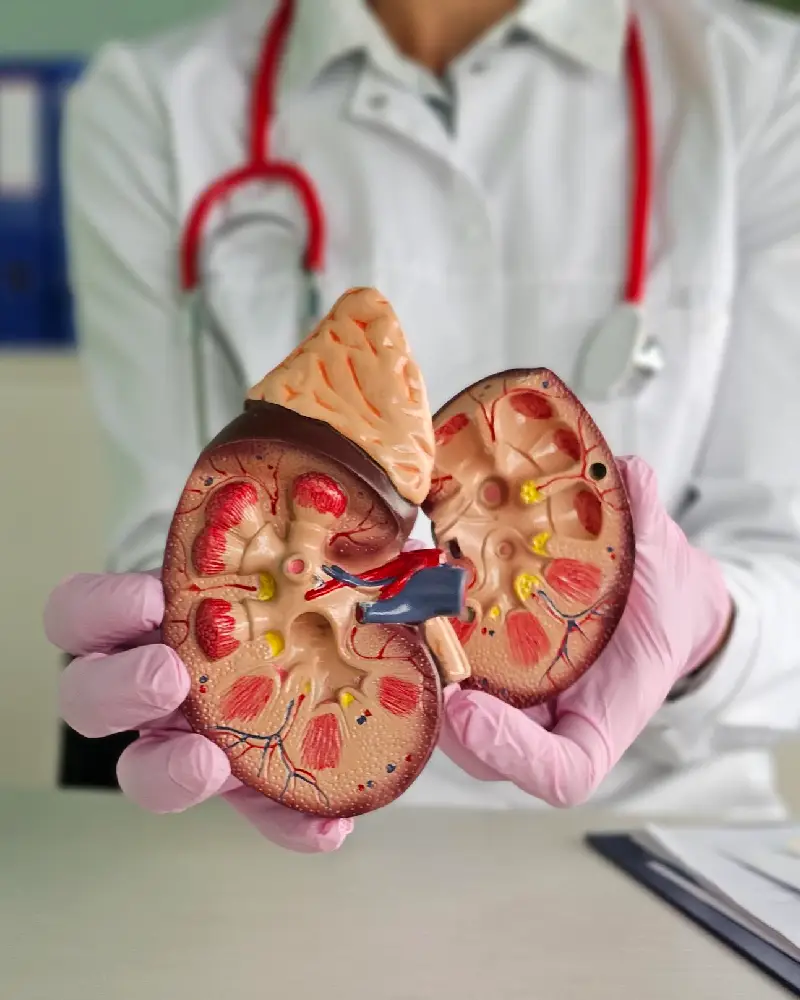
ABOUT THE DEPARTMENT
Complete kidney care — from early diagnosis to long-term support
- 24/7 Monitoring
- Emergency Support
- Advanced Kidney Care
At Birmole Hospital, our Nephrology Department provides comprehensive diagnosis and treatment for conditions affecting the kidneys, blood pressure, fluid balance and electrolyte levels. Our nephrologists focus on early detection, personalised medical management and regular monitoring to protect kidney function and overall health.
Whether you are experiencing swelling, reduced urination, blood in the urine, high creatinine, uncontrolled blood pressure or complications related to diabetes, our team provides timely evaluation, appropriate treatment and complete follow-up support.
WHAT IS NEPHROLOGY
The branch of medicine
focused on kidney health and function
Nephrology focuses on the diagnosis, treatment and prevention of diseases affecting the kidneys. It also includes the management of blood pressure, electrolyte imbalance, fluid retention and kidney complications caused by diabetes or other medical conditions.
Acute Kidney Conditions
Timely care for sudden kidney dysfunction caused by infection, dehydration, medicines or critical illness.
Chronic Kidney Disease
Long-term monitoring and treatment to slow kidney damage and manage associated complications.
Dialysis & Renal Support
Specialised treatment for patients whose kidneys cannot adequately filter waste and excess fluids.
SERVICES WE OFFER
Comprehensive kidney care,
under one roof
01
Chronic Kidney Disease Care
Regular monitoring and personalised treatment to protect kidney function and manage complications.
02
Acute Kidney Injury Treatment
Timely evaluation and treatment for sudden reduction or worsening of kidney function.
03
Dialysis Support
Planned and emergency dialysis care for patients with advanced or temporary kidney failure.
04
Cardiac Critical Care
Specialised management of kidney damage associated with diabetes and uncontrolled blood sugar.
05
High Blood Pressure Management
Evaluation and treatment for hypertension caused by or contributing to kidney disease.
06
Electrolyte Disorder Treatment
Management of abnormal sodium, potassium and other mineral levels affecting body functions.
07
Kidney Infection Care
Diagnosis and treatment for infections affecting the kidneys and surrounding urinary system.
08
Kidney Failure Management
Comprehensive medical support, dialysis planning and long-term care for kidney failure.
conditions we treat
From severe medical emergencies to complex renal conditions.
Kidney disease may progress silently without noticeable symptoms during its early stages. Warning signs such as swelling, reduced urination, fatigue or high blood pressure require timely evaluation. Our nephrologists assess kidney function and recommend personalised treatment based on the underlying condition.
- Chronic kidney disease
- Acute kidney injury
- Kidney failure
- High creatinine levels
- Protein in urine
- Blood in urine
- Reduced urination
- Excessive urination
- Swelling in feet or face
- Fluid retention
- Diabetic kidney disease
- High blood pressure
- Electrolyte imbalance
- Kidney infections
- Nephrotic syndrome
- Dialysis-related concerns
WHY CHOOSE BIRMOLE
Specialised kidney care
for better health and quality of life.
Experienced Nephrologists
Our specialists provide evidence-based care for acute, chronic and advanced kidney conditions.
Comprehensive Kidney Evaluation
We assess kidney function, symptoms, medical history and investigations before recommending personalised care.
24/7 Healthcare Support
Timely medical assistance is available for urgent kidney conditions, fluid overload and electrolyte emergencies.
In-House Diagnostics
Access to blood tests, urine tests, imaging and essential investigations supports accurate diagnosis.
Dialysis Support
Planned and emergency dialysis services support patients with temporary or advanced kidney failure.
Coordinated Medical Care
Our nephrologists work with physicians, urologists and critical care specialists when multidisciplinary treatment is required.
YOUR VISIT
What to expect during
a your nephrology visit.
Step 1
Book
Schedule a consultation with our experienced nephrology care specialist today.
Step 2
Check-In
Share your symptoms, medical history, medicines and previous test reports.
Step 3
Consult
Our nephrologist examines you and recommends necessary diagnostic tests .
Step 4
Follow-Up
Receive clear guidance about treatment, medicines, diet and follow-up care.
- Helpful Answers
Frequently asked questions
When should I consult a nephrologist?
You should consult a nephrologist if you have high creatinine, protein or blood in the urine, reduced urination, swelling, uncontrolled blood pressure or an existing kidney condition.
What are the early warning signs of kidney disease?
Early kidney disease may not cause noticeable symptoms. Possible warning signs include swelling, fatigue, changes in urination, high blood pressure, nausea and abnormal blood or urine test results.
Can diabetes and high blood pressure damage the kidneys?
Yes. Uncontrolled diabetes and high blood pressure are major causes of kidney damage. Regular monitoring and appropriate treatment can help protect kidney function.
Does every kidney disease patient require dialysis?
No. Many kidney conditions can be managed with medicines, dietary changes and regular monitoring. Dialysis is recommended when kidney function becomes severely reduced or complications cannot be controlled.
What tests are used to check kidney function?
Common investigations include serum creatinine, estimated glomerular filtration rate, urine tests, electrolyte tests, ultrasound and other specialised tests depending on the condition.
Can chronic kidney disease be cured?
Chronic kidney disease cannot always be reversed, but timely treatment, blood pressure control, diabetes management and lifestyle changes may slow its progression and reduce complications.