
Birmole Multispecialty Hospital
Heart Care Department
Cardiology & Non-Surgical Heart Care
ABOUT THE DEPARTMENT
Complete heart care through early diagnosis and medical treatment
- Advanced Diagnostics
- 24/7 Support
- Personalised Heart Care
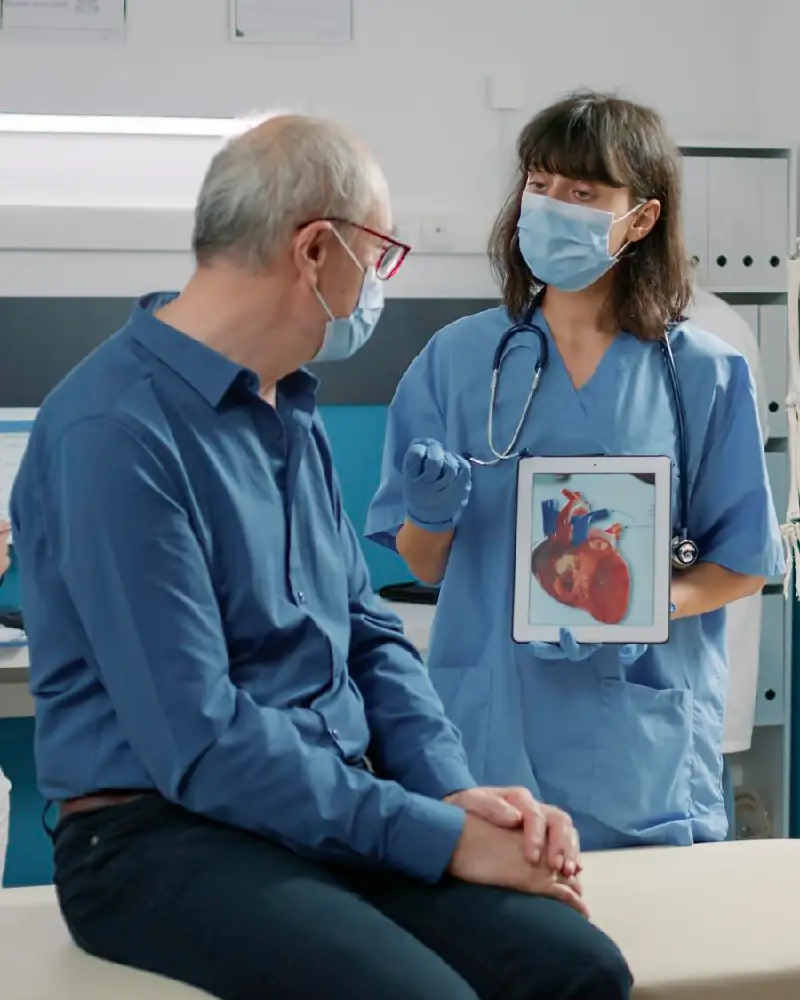
At Birmole Hospital, our Cardiology Department provides comprehensive diagnosis and non-surgical treatment for conditions affecting the heart and blood vessels. Our cardiologists focus on early detection, accurate evaluation and personalised medical management to protect heart function and reduce the risk of complications.
Whether you are experiencing chest discomfort, breathlessness, palpitations, high blood pressure, dizziness or reduced exercise capacity, our team provides timely assessment, advanced cardiac testing and complete follow-up support.
WHAT IS CARDIOLOGY
The branch of medicine
focused on heart and circulatory health
Cardiology focuses on the prevention, diagnosis and medical treatment of conditions affecting the heart, blood vessels and circulation. Non-surgical cardiology includes heart health evaluation, diagnostic testing, medication management and ongoing monitoring of cardiovascular conditions.
Heart Disease Evaluation
Assessment of chest discomfort, breathlessness, palpitations and other symptoms related to heart health.
Cardiac Risk Management
Monitoring and treatment of high blood pressure, cholesterol, diabetes and other cardiovascular risks.
Preventive Heart Care
Routine heart screenings, lifestyle guidance and early intervention to reduce future complications.
SERVICES WE OFFER
Comprehensive non-surgical cardiac care,
under one roof
01
Cardiac Consultation
Detailed evaluation of symptoms, medical history and cardiovascular risk factors by experienced cardiologists.
02
Electrocardiogram
Quick recording of the heart’s electrical activity to identify rhythm and conduction abnormalities.
03
Echocardiography
Ultrasound-based evaluation of heart structure, pumping function, chambers and heart valves.
04
Stress Test
Monitored assessment of heart function and symptoms during controlled physical activity.
05
Holter Monitoring
Continuous recording of heart rhythm to identify intermittent palpitations and abnormal heartbeats.
06
Blood Pressure Management
Personalised treatment and monitoring for hypertension and its heart-related complications.
07
Heart Failure Management
Medical treatment and regular monitoring for reduced heart function, swelling and breathlessness.
08
Preventive Cardiology
Risk assessment, lifestyle guidance and medical support to prevent cardiovascular disease progression.
conditions we treat
From common heart symptoms to complex cardiovascular conditions.
Heart conditions may develop gradually or present with symptoms such as chest discomfort, breathlessness, palpitations, swelling or dizziness. Our cardiologists perform a detailed assessment and recommend suitable tests, medicines and lifestyle measures according to each patient’s needs.
- High blood pressure
- High cholesterol
- Chest discomfort
- Palpitations
- Irregular heartbeat
- Rapid heartbeat
- Slow heartbeat
- Breathlessness
- Heart failure
- Coronary artery disease
- Heart valve disorders
- Cardiomyopathy
- Congenital heart conditions
- Swelling in the feet
- Dizziness and fainting
- Preventive cardiac concerns
WHY CHOOSE BIRMOLE
Comprehensive heart care
for healthier living and lasting protection.
Experienced Cardiologists
Our specialists provide evidence-based diagnosis and medical treatment for various cardiovascular conditions.
Personalised Treatment Plans
Every patient receives treatment based on symptoms, medical history, test results and risk factors.
24/7 Healthcare Support
Timely medical assistance is available for urgent heart symptoms and hospital-based cardiac care.
In-House Diagnostics
Access to ECG, echocardiography, laboratory tests and imaging supports prompt clinical decisions.
Advanced Cardiac Diagnostics
Modern cardiac tests support accurate evaluation of heart rhythm, structure and overall function.
Preventive Heart Care
Regular screenings and lifestyle guidance help reduce cardiovascular risks and protect long-term health.
YOUR VISIT
What to expect during
a plastic surgery visit.
Step 1
Book
Schedule a consultation with our experienced non-surgical cardiology specialist today.
Step 2
Check-In
Share your symptoms, medical history, medicines and previous cardiac reports.
Step 3
Consult
Our cardiologist examines you and recommends necessary diagnostic tests.
Step 4
Follow-Up
Receive clear guidance about treatment, medicines, lifestyle and follow-up care.
- Helpful Answers
Frequently asked questions
When should I consult a cardiologist?
You should consult a cardiologist for chest discomfort, breathlessness, palpitations, dizziness, fainting, swelling, uncontrolled blood pressure or a family history of heart disease.
What tests may be recommended during a cardiac evaluation?
Depending on your symptoms, the cardiologist may recommend an ECG, echocardiogram, stress test, Holter monitoring, blood tests or other specialised cardiac investigations.
Can high blood pressure affect my heart?
Yes. Uncontrolled high blood pressure places additional strain on the heart and may increase the risk of heart failure, stroke and coronary artery disease.
Are palpitations always a sign of heart disease?
Not always. Palpitations may occur due to stress, caffeine, thyroid disorders or abnormal heart rhythms. Persistent or recurring palpitations should be medically evaluated.
Can heart conditions be treated without surgery?
Yes. Many heart conditions can be managed through medicines, lifestyle changes, regular monitoring and risk-factor control. Further procedures may be advised when medically necessary.
How often should I undergo a heart check-up?
The frequency depends on your age, symptoms, medical conditions and cardiovascular risk factors. Your cardiologist will recommend an appropriate screening and follow-up schedule.