
Birmole Multispecialty Hospital
Comprehensive Cancer Care Department
Oncology & Cancer Care
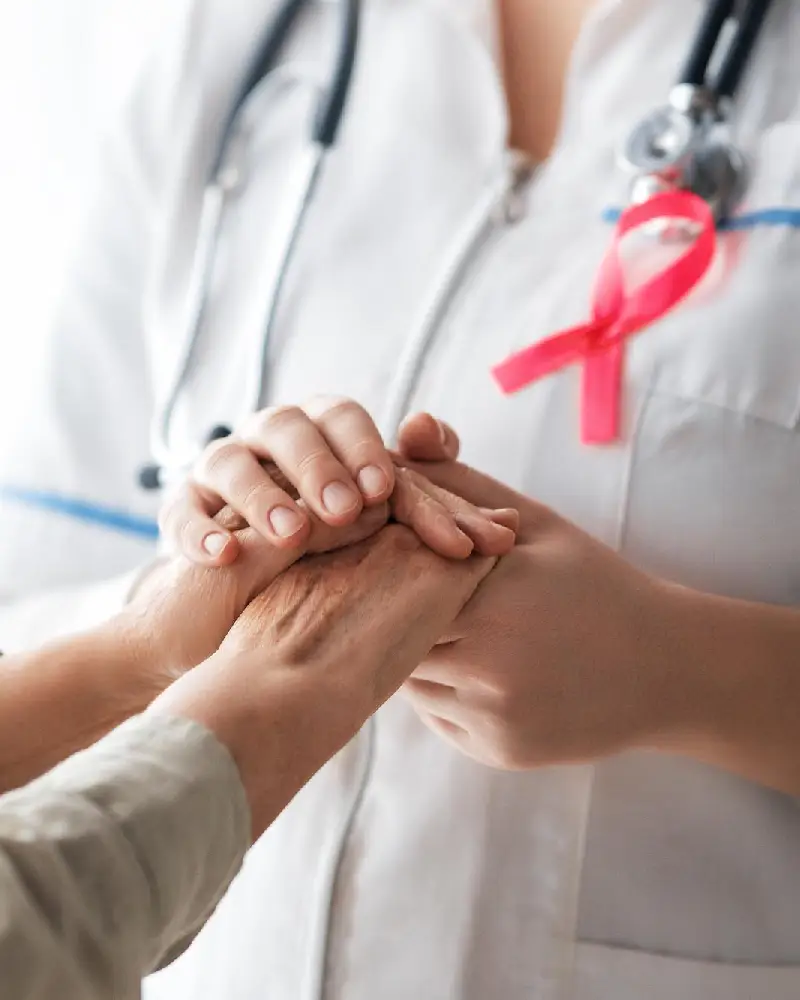
ABOUT THE DEPARTMENT
Comprehensive cancer care with expertise, compassion and personalised support
- Multidisciplinary Care
- Advanced Treatment
- Complete Cancer Support
At Birmole Hospital, our Oncology Department provides comprehensive diagnosis, treatment and ongoing support for patients with different types of cancer. Our oncology specialists focus on accurate evaluation, personalised treatment planning and coordinated care throughout every stage of the cancer journey.
Whether you have a suspicious lump, abnormal screening result, confirmed cancer diagnosis or require ongoing cancer treatment, our team works closely with surgeons, pathologists, radiologists and other specialists to provide timely and patient-centred care.
WHAT IS ONCOLOGY
The branch of medicine
focused on diagnosing and treating cancer
Oncology focuses on the prevention, diagnosis, treatment and long-term management of cancer. Depending on the type and stage of cancer, treatment may include chemotherapy, targeted therapy, immunotherapy, hormonal therapy, surgery, radiation therapy or a combination of approaches.
Cancer Diagnosis & Staging
Detailed evaluation, imaging and biopsy review to identify the cancer type, location and stage.
Personalised Cancer Treatment
Individual treatment plans based on the cancer type, stage, overall health and treatment goals.
Supportive & Follow-Up Care
Ongoing symptom management, treatment monitoring and follow-up support during and after cancer care.
SERVICES WE OFFER
Comprehensive oncology care,
under one roof
01
Cancer Evaluation & Diagnosis
Detailed assessment of symptoms, imaging and biopsy reports to confirm and understand cancer.
02
Chemotherapy
Personalised anti-cancer treatment using medicines selected according to the cancer type and stage.
03
Targeted Therapy
Treatment designed to act on specific changes or features within certain cancer cells.
04
Immunotherapy
Specialised treatment that supports the immune system in recognising and fighting cancer cells.
05
Hormonal Therapy
Treatment for hormone-sensitive cancers such as selected breast and prostate cancers.
06
Cancer Pain Management
Medical support to reduce pain, discomfort and other symptoms associated with cancer.
07
Supportive Cancer Care
Management of nausea, fatigue, appetite changes, infections and treatment-related side effects.
08
Cancer Follow-Up & Surveillance
Regular monitoring after treatment to assess recovery and identify possible recurrence early.
conditions we treat
From early-stage cancers to complex oncological conditions.
Cancer can affect different organs and may present through a lump, unexplained weight loss, persistent pain, unusual bleeding or changes in normal body functions. Our oncology specialists carefully review each patient’s diagnosis and recommend an appropriate treatment plan.
- Breast cancer
- Lung cancer
- Oral cancer
- Head and neck cancer
- Stomach cancer
- Colon cancer
- Rectal cancer
- Liver cancer
- Gallbladder cancer
- Pancreatic cancer
- Kidney cancer
- Bladder cancer
- Prostate cancer
- Ovarian cancer
- Uterine cancer
- Blood cancers
WHY CHOOSE BIRMOLE
Complete cancer care
with support at every stage.
Experienced Oncology Specialists
Our specialists provide evidence-based treatment for different cancer types, stages and patient needs.
Multidisciplinary Treatment Planning
Oncologists coordinate with surgeons, radiologists, pathologists and other specialists for comprehensive care.
Personalised Cancer Treatment
Every treatment plan is developed according to the diagnosis, cancer stage and overall health.
In-House Diagnostics
Access to laboratory tests, imaging and pathology services supports timely evaluation and treatment planning.
Advanced Cancer Therapies
Suitable patients may receive chemotherapy, targeted therapy, immunotherapy or hormonal treatment.
Complete Patient Support
Patients receive guidance about symptoms, nutrition, side effects, recovery and regular follow-up care.
YOUR VISIT
What to expect during
a oncology visit.
Step 1
Book
Schedule a consultation with our experienced oncology care specialist today.
Step 2
Check-In
Share your symptoms, medical history, medicines, biopsy and previous reports.
Step 3
Consult
Our oncologist evaluates you and recommends necessary diagnostic tests.
Step 4
Follow-Up
Receive clear guidance about treatment, medicines, recovery and follow-up care.
- Helpful Answers
Frequently asked questions
When should I consult an oncologist?
You should consult an oncologist after an abnormal cancer screening, suspicious lump, concerning scan, confirmed biopsy result or when cancer treatment has been recommended.
Does every cancer patient require chemotherapy?
No. Treatment depends on the cancer type, stage, biological features and overall health. Some patients may require surgery, radiation therapy, targeted therapy, immunotherapy or hormonal therapy instead.
What tests are required before cancer treatment?
Tests may include blood investigations, imaging scans, biopsy review, molecular testing and organ-function assessments. These help the oncologist select a safe and suitable treatment plan.
What are the common side effects of chemotherapy?
Side effects vary according to the medicines used and may include nausea, fatigue, appetite changes, hair loss or reduced immunity. Your care team will provide medicines and guidance to manage them.
What is the difference between chemotherapy and targeted therapy?
Chemotherapy affects rapidly dividing cells, while targeted therapy acts on specific features or changes within certain cancer cells. Suitability depends on the cancer’s characteristics.
How often will I need follow-up after cancer treatment?
The follow-up schedule depends on the cancer type, stage and treatment received. Regular visits may include examinations, blood tests and imaging to monitor recovery and detect recurrence.