
Birmole Multispecialty Hospital
Emergency & Intensive Care Department
Critical Care & Intensive Care
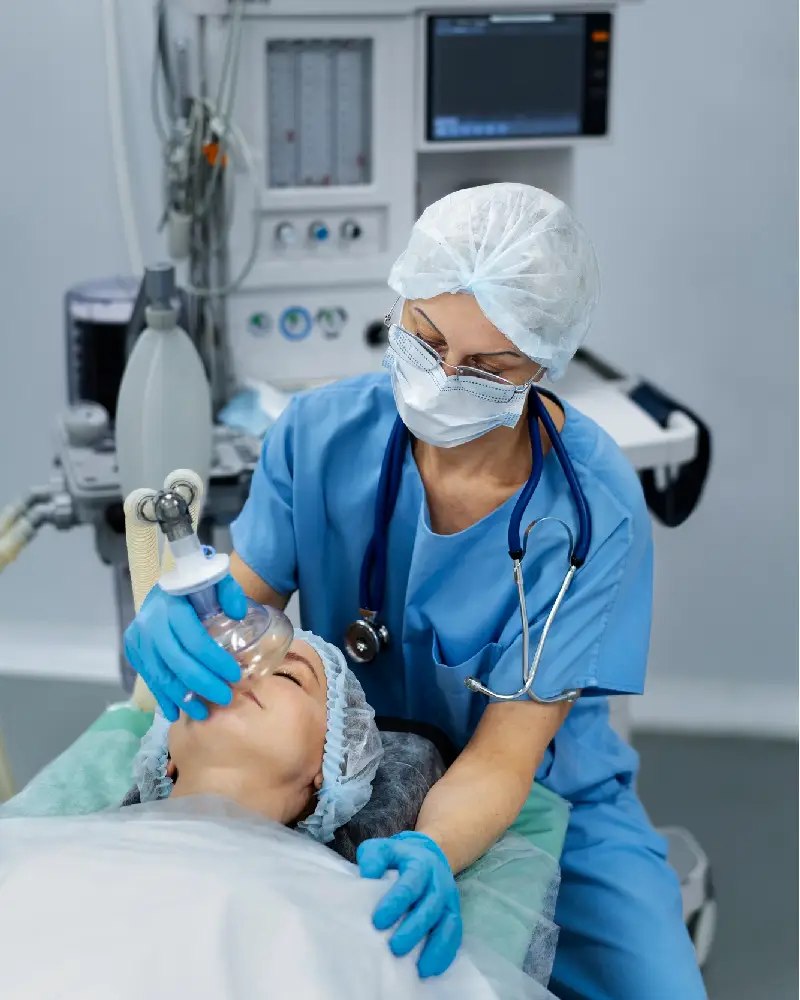
ABOUT THE DEPARTMENT
Round-the-clock care for critically ill and high-risk patients
- 24/7 Monitoring
- Emergency Support
- Advanced Critical Care
At Birmole Hospital, our Critical Care Department provides specialised treatment and continuous monitoring for patients with serious, life-threatening or rapidly changing medical conditions. Our critical care specialists, trained nurses and multidisciplinary teams work together to deliver timely interventions and personalised intensive care.
Whether a patient requires breathing support, management of severe infection, post-surgical monitoring, organ support or emergency stabilisation, our team provides coordinated care using advanced equipment and evidence-based treatment protocols.
WHAT IS CRITICAL CARE
The branch of medicine
focused on life-threatening health conditions
Critical Care focuses on the diagnosis, stabilisation and treatment of patients with severe illnesses, major injuries or organ failure. Patients are closely monitored in an intensive care setting, where specialised teams provide immediate medical support and respond quickly to changes in their condition.
Emergency Stabilisation
Immediate assessment and treatment for patients with severe, unstable or life-threatening conditions.
Continuous Monitoring
Round-the-clock observation of heart rate, blood pressure, breathing and other vital functions.
Organ Support
Advanced medical support for patients experiencing respiratory, cardiac, kidney or multiple-organ complications.
SERVICES WE OFFER
Comprehensive critical care support,
under one roof
01
Intensive Care Management
Continuous monitoring and specialised treatment for critically ill and high-risk patients.
02
Ventilator & Respiratory Support
Advanced breathing assistance for patients with respiratory failure or severe breathing difficulty.
03
Sepsis & Infection Management
Timely diagnosis and intensive treatment for severe infections, sepsis and related complications.
04
Cardiac Critical Care
Close monitoring and emergency treatment for serious cardiac and circulatory conditions.
05
Postoperative Intensive Care
Specialised monitoring and recovery support following major or high-risk surgical procedures.
06
Multi-Organ Support
Coordinated medical support for patients experiencing failure of multiple vital organs.
07
Trauma & Emergency Care
Immediate stabilisation and intensive treatment for severe injuries and medical emergencies.
08
Critical Care Procedures
Bedside procedures and advanced interventions performed for critically ill patients when required.
conditions we treat
From severe medical emergencies to complex life-threatening conditions.
Critical illnesses can develop suddenly or worsen rapidly, requiring immediate medical attention and continuous monitoring. Our critical care specialists assess each patient’s condition, stabilise vital functions and provide coordinated treatment based on individual medical needs.
- Severe breathing difficulty
- Respiratory failure
- Severe pneumonia
- Sepsis
- Septic shock
- Cardiac emergencies
- Heart failure complications
- Low blood pressure
- Circulatory shock
- Multiple-organ failure
- Kidney failure complications
- Severe infections
- Postoperative complications
- Major trauma
- Poisoning
- Severe dehydration
WHY CHOOSE BIRMOLE
Advanced intensive care
when every moment matters.
Experienced Critical Care Specialists
Our specialists provide evidence-based treatment for critically ill, unstable and high-risk patients.
Advanced Life Support
Modern equipment supports breathing, circulation and other essential body functions when required.
24/7 Continuous Monitoring
Patients receive round-the-clock monitoring of vital signs, organ function and treatment response.
In-House Diagnostics
Access to laboratory tests, imaging and essential investigations supports rapid clinical decision-making.
Multidisciplinary Medical Team
Critical care specialists coordinate with surgeons, physicians and other experts for comprehensive treatment.
Family Communication & Support
Families receive regular updates, clear explanations and guidance throughout the patient’s treatment journey.
YOUR VISIT
What to expect during
a critical care admission.
Step 1
Admission
Receive immediate assessment from our experienced critical care specialist today.
Step 2
Evaluation
Share medical history, current medicines, symptoms and previous test reports.
Step 3
Treatment
Our team stabilises the patient and begins necessary intensive treatment.
Step 4
Monitoring
Receive regular updates about the progress, treatment response and further care.
- Helpful Answers
Frequently asked questions
When does a patient require critical care?
A patient may require critical care when experiencing severe breathing difficulty, shock, organ failure, serious infection, major trauma, postoperative complications or another life-threatening condition requiring continuous monitoring.
Is the Critical Care Department available 24/7?
Yes. Our critical care team provides round-the-clock monitoring, emergency support and intensive treatment for critically ill and unstable patients.
What equipment is available in critical care?
Critical care facilities may include ventilators, cardiac monitors, infusion pumps, oxygen support and other equipment required to monitor and support vital body functions.
Can family members visit a patient in critical care?
Visiting policies depend on the patient’s condition, infection-control requirements and hospital guidelines. The care team will explain the permitted visiting schedule to family members.
How are families updated about the patient’s condition?
The medical team provides regular updates regarding the patient’s progress, treatment response, investigations and further care plan to authorised family members.
How long does a patient stay in critical care?
The length of stay depends on the severity of illness, response to treatment, organ support requirements and overall recovery. Patients are transferred when intensive monitoring is no longer required.