
Birmole Multispecialty Hospital
Minimally Invasive Surgery Department
Laparoscopic Surgery & Surgical Care
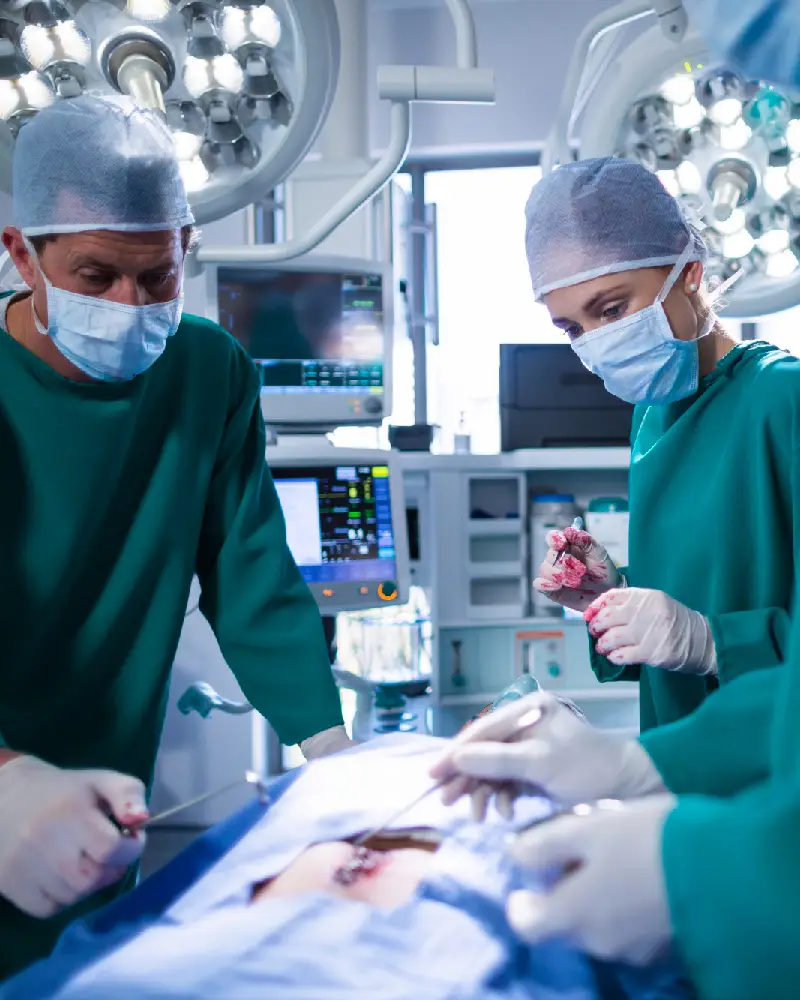
ABOUT THE DEPARTMENT
Advanced surgery through smaller incisions and faster recovery
- Minimally Invasive
- 24/7 Support
- Advanced Surgical Care
At Birmole Hospital, our Laparoscopic Surgery Department provides minimally invasive surgical treatment for conditions affecting the abdomen, digestive system, gallbladder, appendix and abdominal wall. Our surgeons use advanced laparoscopic techniques to perform procedures through small incisions with precision and safety.
Whether you require surgery for gallstones, appendicitis, hernia or another abdominal condition, our team ensures careful evaluation, personalised treatment planning and complete support throughout your recovery journey.
WHAT IS LAPAROSCOPIC SURGERY
The modern surgical approach performed
focused on through smaller incisions
Laparoscopic Surgery is a minimally invasive technique in which surgeons use a thin camera and specialised instruments inserted through small incisions. The camera provides a detailed view of the internal organs, allowing the surgeon to perform the procedure with accuracy.
Smaller Incisions
Procedures are performed through small cuts instead of one large surgical incision.
Reduced Discomfort
Smaller incisions may result in less postoperative pain and reduced wound-related discomfort.
Faster Recovery
Many patients experience shorter hospital stays and return to routine activities sooner.
SERVICES WE OFFER
Comprehensive laparoscopic surgical care,
under one roof
01
Laparoscopic Hernia Surgery
Minimally invasive treatment for inguinal, umbilical, incisional and recurrent abdominal hernias.
02
Laparoscopic Appendix Surgery
Timely removal of an inflamed appendix through small and precise surgical incisions.
03
Laparoscopic Gallbladder Surgery
Minimally invasive gallbladder removal for gallstones, inflammation and related complications.
04
Diagnostic Laparoscopy
Camera-assisted examination of abdominal organs to identify the cause of unexplained symptoms.
05
Lump & Cyst Removal
Advanced surgical treatment for selected intestinal and other abdominal health conditions.
06
Laparoscopic Adhesion Removal
Surgical removal of internal scar tissue causing pain, blockage or movement restriction.
07
Emergency Laparoscopic Surgery
Timely minimally invasive care for suitable acute abdominal and surgical emergencies.
08
Postoperative Recovery Care
Complete guidance for wound care, diet, activity, medicines and scheduled follow-up.
conditions we treat
From common abdominal concerns to complex surgical conditions.
Abdominal pain, swelling, vomiting or digestive discomfort may sometimes indicate a condition requiring surgical treatment. Our laparoscopic surgeons perform a detailed evaluation and recommend minimally invasive surgery when it is safe and appropriate.
- Inguinal hernia
- Umbilical hernia
- Incisional hernia
- Recurrent hernia
- Appendicitis
- Gallstones
- Gallstones
- Gallbladder inflammation
- Gallbladder polyps
- Abdominal adhesions
- Intestinal obstruction
- Persistent abdominal pain
- Abdominal swelling
- Selected intestinal conditions
- Acute abdominal emergencies
- Diagnostic abdominal conditions
WHY CHOOSE BIRMOLE
Safe surgical treatment
with complete recovery support.
Experienced Laparoscopic Surgeons
Our surgeons are trained to perform minimally invasive procedures for various abdominal conditions.
Smaller Surgical Incisions
Laparoscopic procedures use small incisions that may reduce scarring and wound discomfort.
24/7 Healthcare Support
Timely evaluation and treatment are available for urgent abdominal and surgical conditions.
In-House Diagnostics
Access to imaging, laboratory tests and essential investigations supports effective surgical planning.
Advanced Surgical Technology
Modern camera systems and specialised instruments support accurate visualisation and precise surgical treatment.
Complete Recovery Guidance
Patients receive clear instructions about medicines, diet, wound care, activity and follow-up.
YOUR VISIT
What to expect at
your laparoscopic surgery visit.
Step 1
Book
Schedule a consultation with experienced laparoscopic surgery specialist
Step 2
Check-In
Share your symptoms, medical history, medicines and previous test reports.
Step 3
Consult
Our surgeon examines you and recommends necessary diagnostic tests accordingly.
Step 4
Follow-Up
Receive clear guidance about treatment, preparation, follow-up care.
- Helpful Answers
Frequently asked questions
What is laparoscopic surgery?
Laparoscopic surgery is a minimally invasive technique performed using a camera and specialised instruments inserted through small incisions instead of one large surgical cut.
Which conditions can be treated with laparoscopic surgery?
Laparoscopic surgery may be used to treat gallstones, appendicitis, hernias, abdominal adhesions and selected intestinal or abdominal conditions.
What are the benefits of laparoscopic surgery?
Potential benefits include smaller incisions, reduced postoperative discomfort, minimal scarring, shorter hospital stays and a faster return to routine activities.
Is laparoscopic surgery suitable for every patient?
No. Suitability depends on your medical condition, previous surgeries, overall health and the complexity of the procedure. Your surgeon will recommend the safest approach.
How should I prepare for laparoscopic surgery?
You may need to follow instructions regarding fasting, medicines, medical tests and hospital admission. The surgical team will explain the preparation process clearly.
How long does recovery take after laparoscopic surgery?
Recovery varies depending on the procedure and your overall health. Many patients recover faster than after open surgery, but individual recovery times may differ.